

The Importance of Flower Labels
In the contemporary marketplace, consumers are increasingly aware of the ethical and environmental implications associated with their purchasing decisions. Flower labels play a critical role in this regard, functioning as essential tools that inform shoppers about the practices behind the floral products they are considering. This transparency helps consumers make informed choices that align with their values, particularly when it comes to opting for flowers that are labeled as ‘organic’ or ‘Fair Trade.’
The significance of flower labels extends beyond mere consumer awareness; they also encourage producers to adopt and maintain sustainable practices. When buyers prioritize flowers carrying these labels, they create demand for ethically sourced and ecologically sound products. This, in turn, incentivizes growers to embrace sustainable farming methods, biodiversity preservation, and fair treatment of workers. Thus, flower labels have the power to contribute positively both to the environment and to the social conditions within the flower industry.
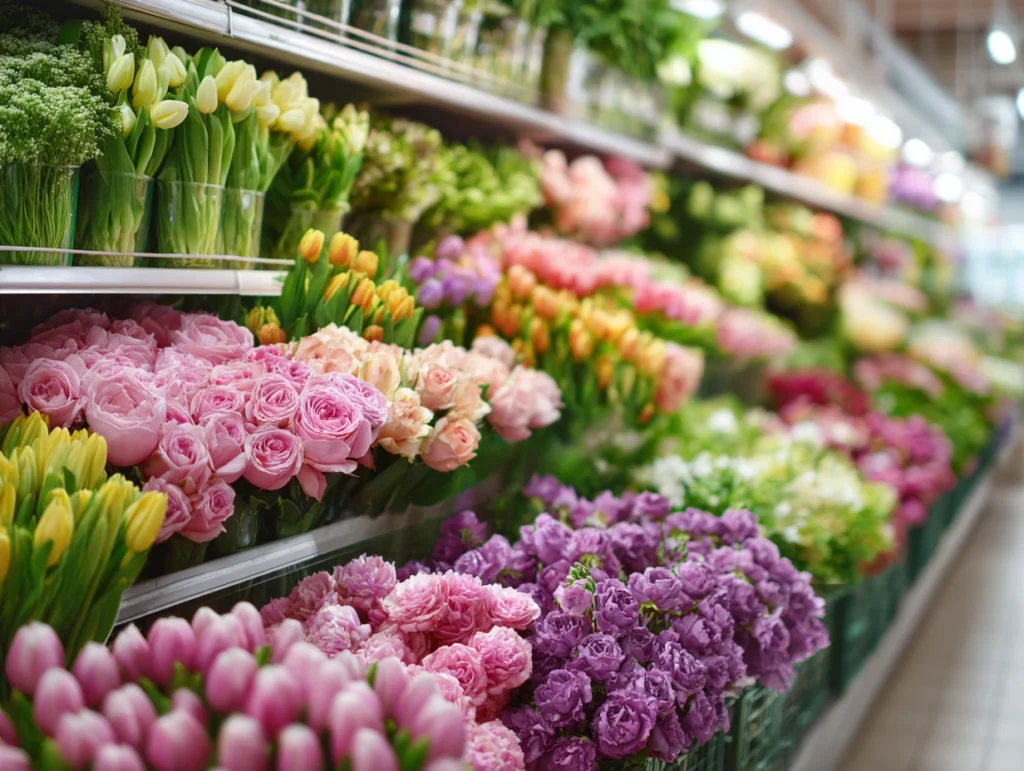
Moreover, the presence of clear and trustworthy labeling promotes accountability among suppliers. When consumers understand what ‘organic’ entails—such as the absence of synthetic pesticides—and what ‘Fair Trade’ certification signifies, they can hold businesses responsible for adhering to these important standards. This accountability is crucial for fostering a more conscientious marketplace, wherein flower purchase decisions can lead to tangible benefits for farming communities and the planet at large.
In essence, flower labels are not just decorative tags; they represent a commitment to ethical practices and environmental stewardship. By choosing products with these labels, consumers can play a vital role in driving the flower industry towards greater sustainability and social responsibility.
Understanding ‘Organic’ Flowers
The term “organic” in relation to flowers implies a dedication to growing practices that prioritize environmental sustainability and health safety. For a flower to be officially labeled as organic, it must meet specific criteria set forth by regulatory bodies, such as the United States Department of Agriculture (USDA) in the United States. The certification process typically involves rigorous assessments to ensure that the flowers are cultivated without the use of synthetic fertilizers, pesticides, or genetically modified organisms (GMOs).
Organic farming standards emphasize the use of natural alternatives for pest control and soil enrichment. For instance, organic flower growers often utilize compost, green manure, and crop rotation as methods to maintain soil health and promote biodiversity. This practice stands in stark contrast to conventional methods, which may employ chemical interventions that can adversely affect the ecosystem and human health.
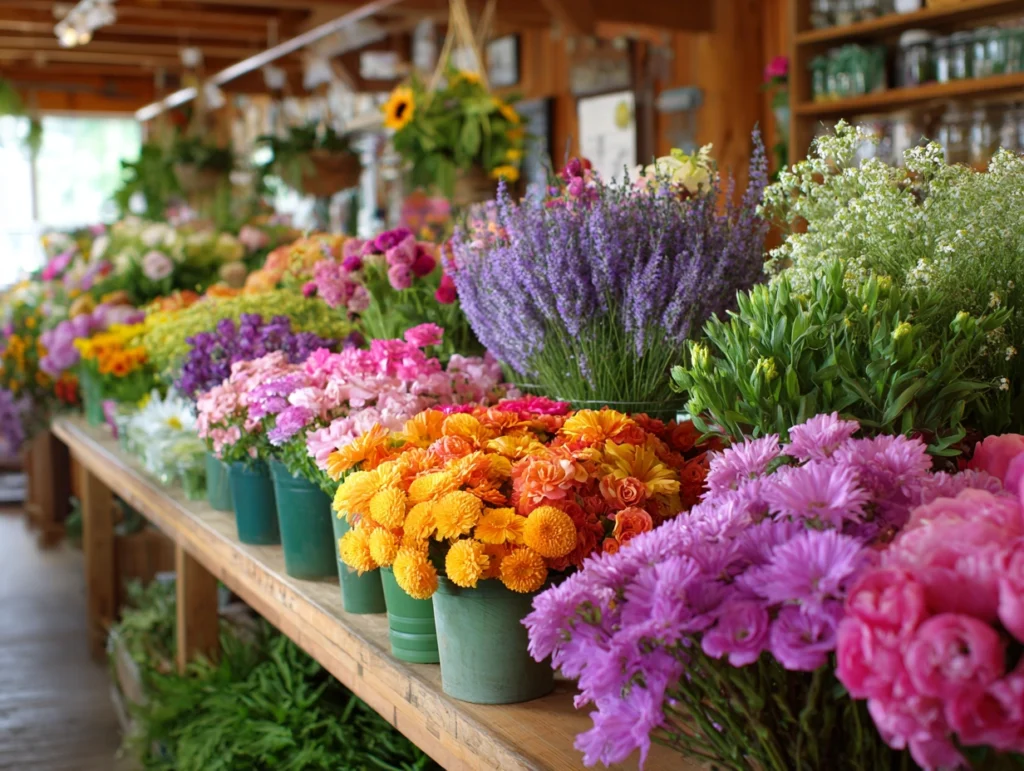
Choosing organic flowers offers numerous benefits, both for the environment and consumers. Environmentally, organic farming methods contribute to soil conservation, promote biodiversity, and reduce pollution from synthetic chemicals. Additionally, organic practices can result in lower carbon emissions due to the minimal use of fossil fuels in production processes. From a health perspective, organic flowers are less likely to carry harmful chemical residues, making them a safer option for personal use or gifting purposes.
In summary, the organic label for flowers signifies a commitment to sustainable and responsible farming practices. The certification process ensures that these flowers are grown in a manner that respects both human health and the environment, providing consumers with a more eco-friendly and health-conscious choice in the floral market.
The Concept of Fair Trade in the Flower Industry
Fair Trade is a movement aimed at promoting equitable trading conditions and fostering sustainable development, particularly in developing countries. Within the flower industry, Fair Trade principles are vitally important for ensuring that flower producers receive fair compensation and operate under ethical labor conditions. Fair Trade certification in the flower market indicates that specific criteria have been met regarding fair pricing, safe working conditions, and sustainable farming practices.
The certification process for Fair Trade flowers involves a thorough evaluation by accredited organizations. Producers must adhere to standards that encompass fair wages, environmental protection, and community development. These standards are designed to ensure that farmers and workers are not only paid fairly but also enjoy safe working environments and access to essential services such as education and healthcare. By supporting Fair Trade flowers, consumers can contribute to the continuity of these standards.
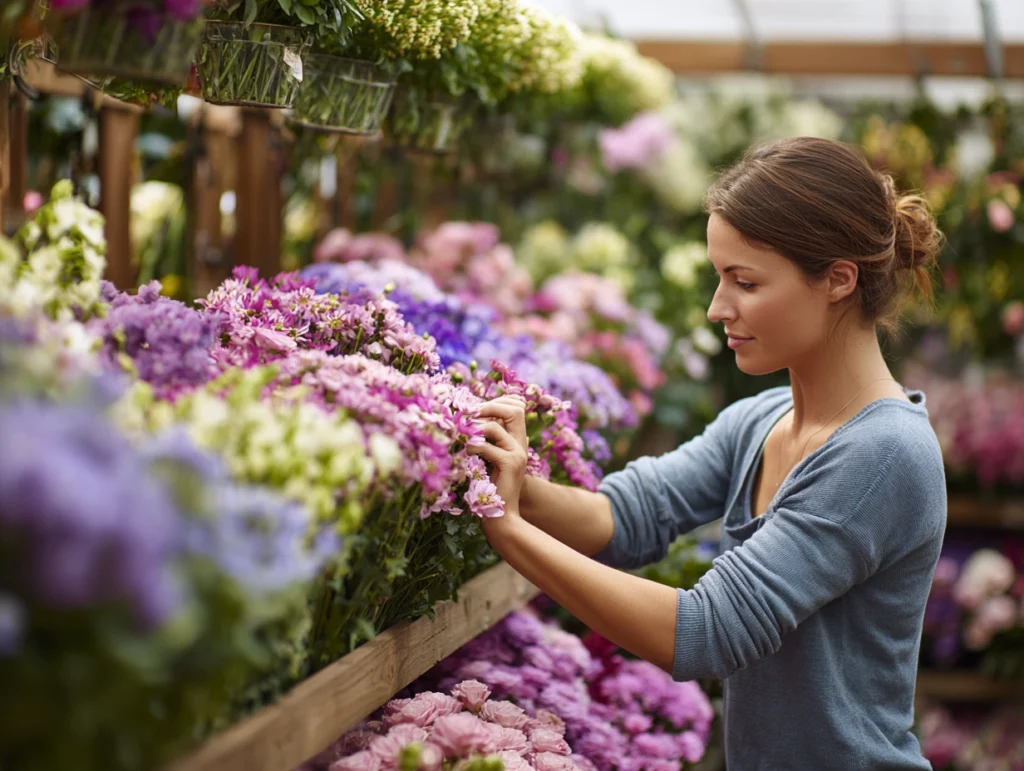
One of the significant benefits of purchasing Fair Trade flowers is the positive impact it has on the livelihoods of producers. These practices help stabilize incomes, reduce poverty levels, and foster community development in flower-growing regions. When consumers choose Fair Trade flowers, they help create a demand that supports ethical business practices and contributes to the sustainability of the environment. Additionally, Fair Trade initiatives often encourage biodiversity and the responsible use of natural resources, further enhancing sustainability.
In conclusion, understanding the Fair Trade certification in the flower industry helps consumers make informed choices while supporting sustainable development and labor rights. By opting for Fair Trade flowers, consumers not only indulge in beautiful blooms but also contribute to a fairer and more just floral market.
How to Identify and Choose Ethical Flowers
When it comes to selecting flowers that are both beautiful and responsibly sourced, knowing how to identify ethical flowers is essential. Various certifications serve as indicators of ethical practices in the floral industry, allowing consumers to make informed choices. Look for labels such as USDA Organic, Fair Trade Certified, or Rainforest Alliance Certified. These certifications ensure that flowers have been grown and harvested under stringent environmental and labor standards, promoting sustainable practices.
In addition to looking for certifications, it is advisable to engage with retailers about their sourcing practices. Don’t hesitate to ask questions regarding where the flowers come from and the methods used in their cultivation. Most reputable florists and retailers should be able to provide information about their suppliers and any ethical initiatives they support. This dialogue helps create awareness about ethical sourcing and encourages suppliers to adopt more responsible practices.

Moreover, supporting local flower growers can significantly impact sustainability. Local flowers tend to have a smaller carbon footprint due to reduced transportation needs. When purchasing flowers, consider attending local farmer’s markets or shops that specialize in locally sourced blooms. Not only do local flowers often look fresher, but they also foster community and promote economic sustainability.
Lastly, educate yourself about the seasonal availability of flowers. Choosing flowers that are in season not only ensures freshness but also supports local farmers who grow these flowers under optimal conditions. By following these tips and being mindful of flower sourcing practices, consumers can contribute to a more sustainable floral industry while enjoying the beauty that fresh flowers bring to their lives.