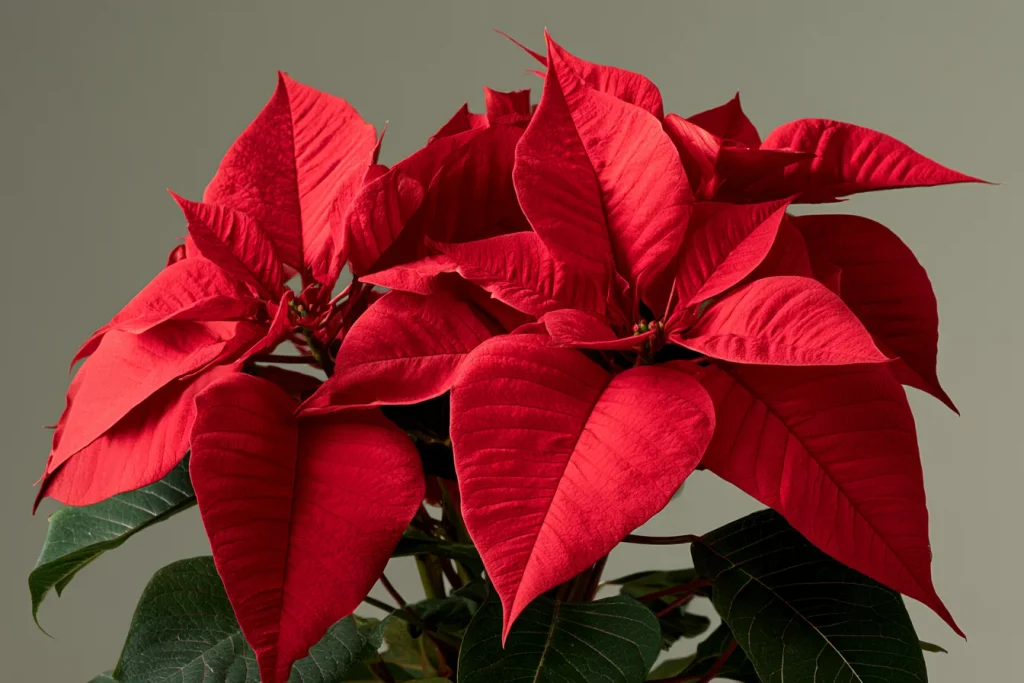
Why Poinsettias Belong in Every South Florida Holiday Home
Poinsettias are particularly well suited to South Florida’s holiday season because their natural preferences closely match the region’s mild winter climate. Unlike plants that need freezing temperatures to bloom, poinsettias are tropical and subtropical plants that remain comfortable when temperatures stay moderate. They can retain their vivid seasonal color in homes, patios, porches, and covered entryways, provided they are protected from sudden temperature changes.
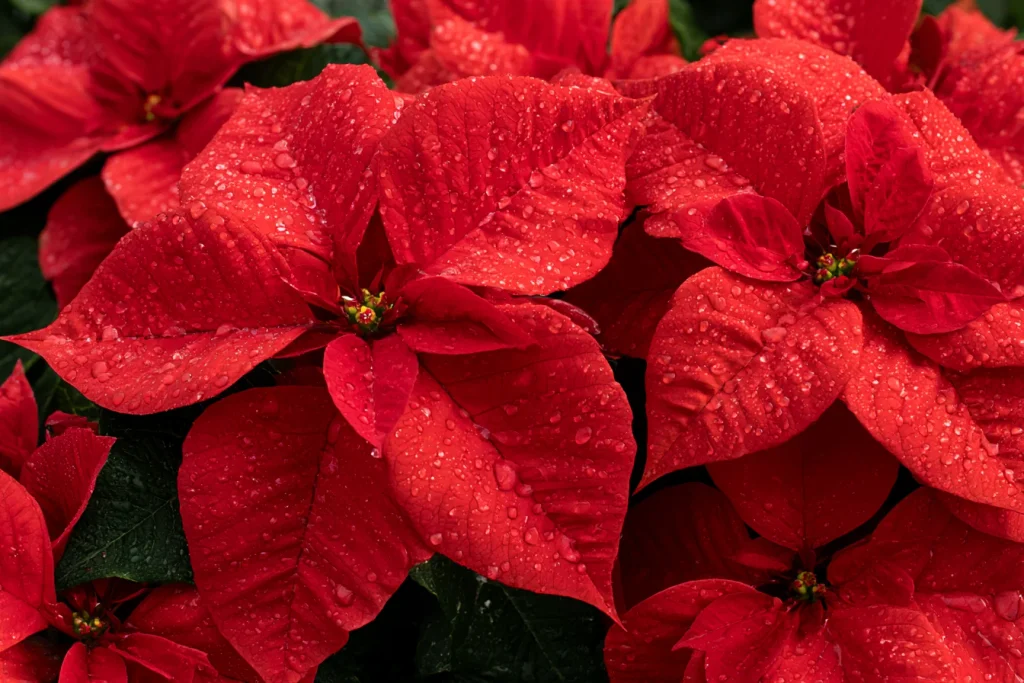
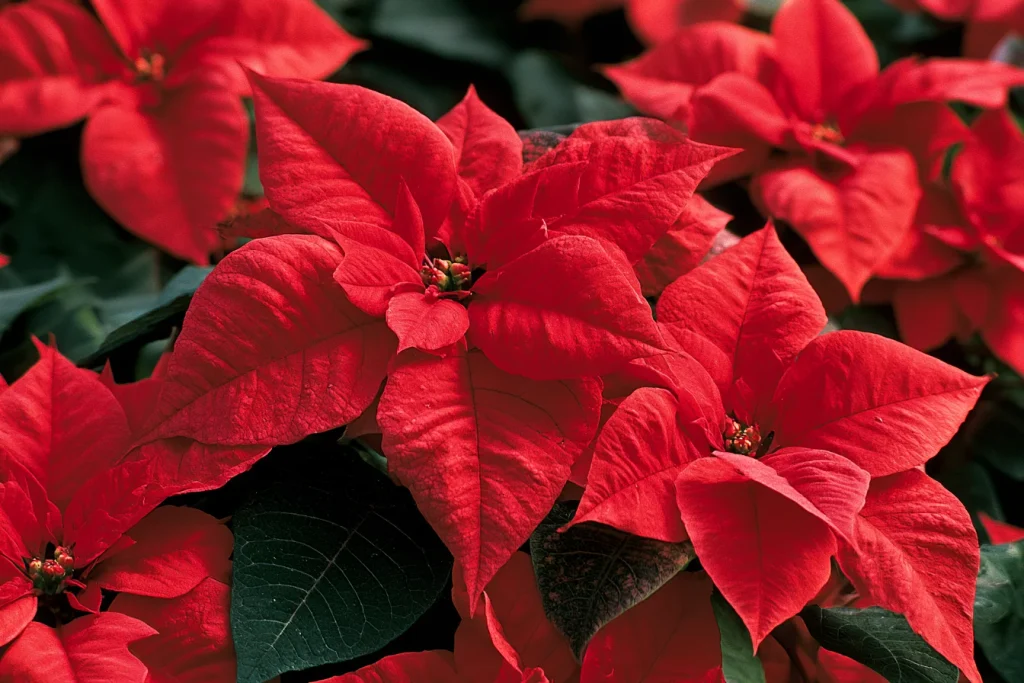
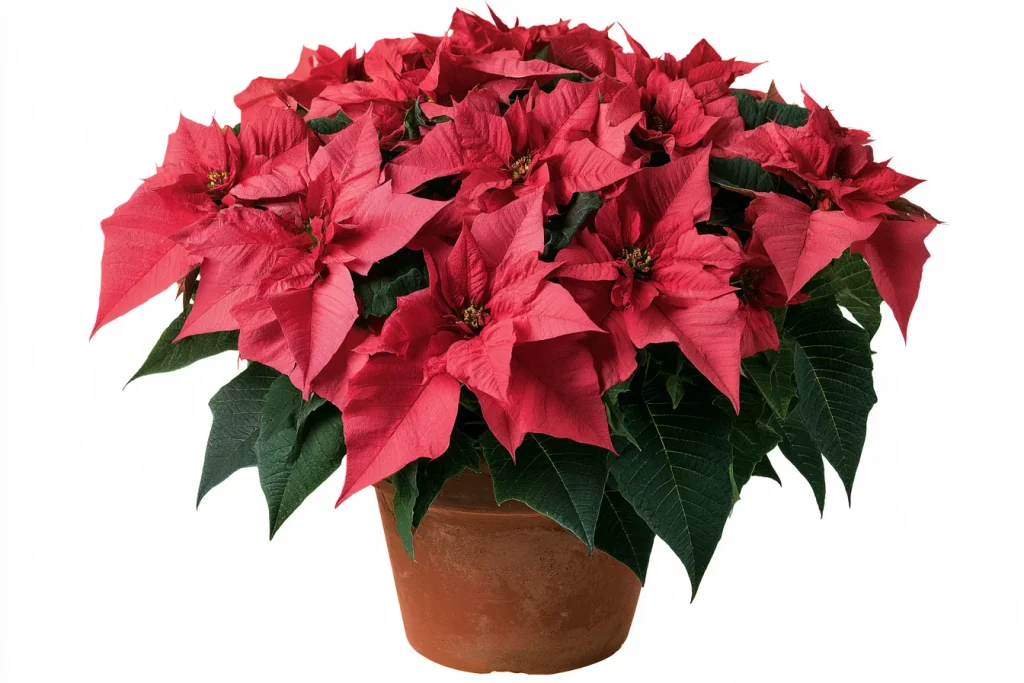
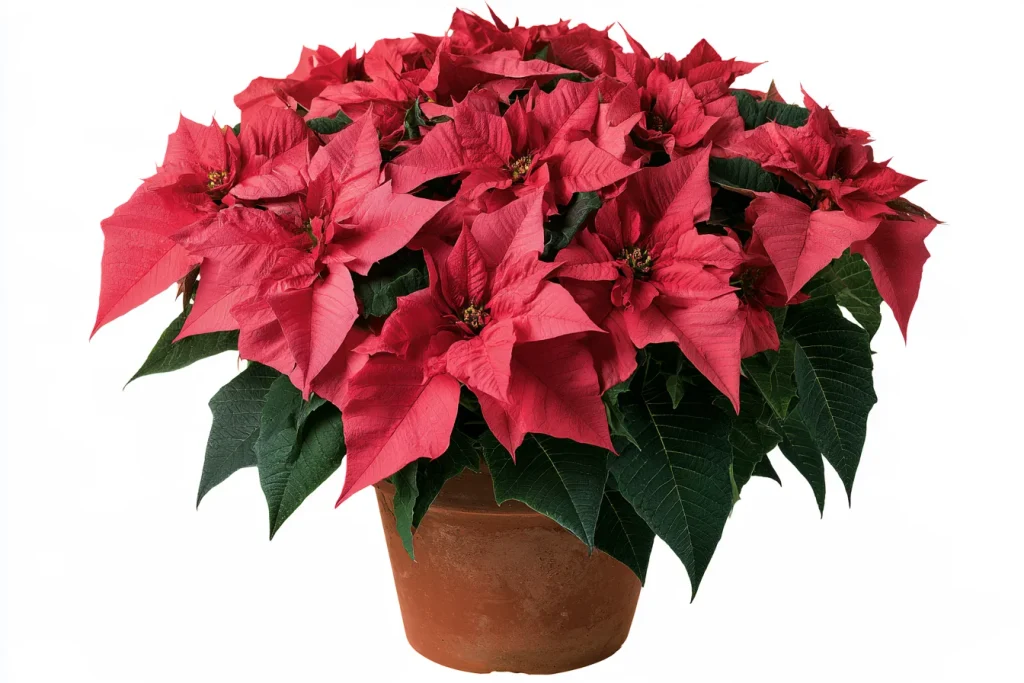
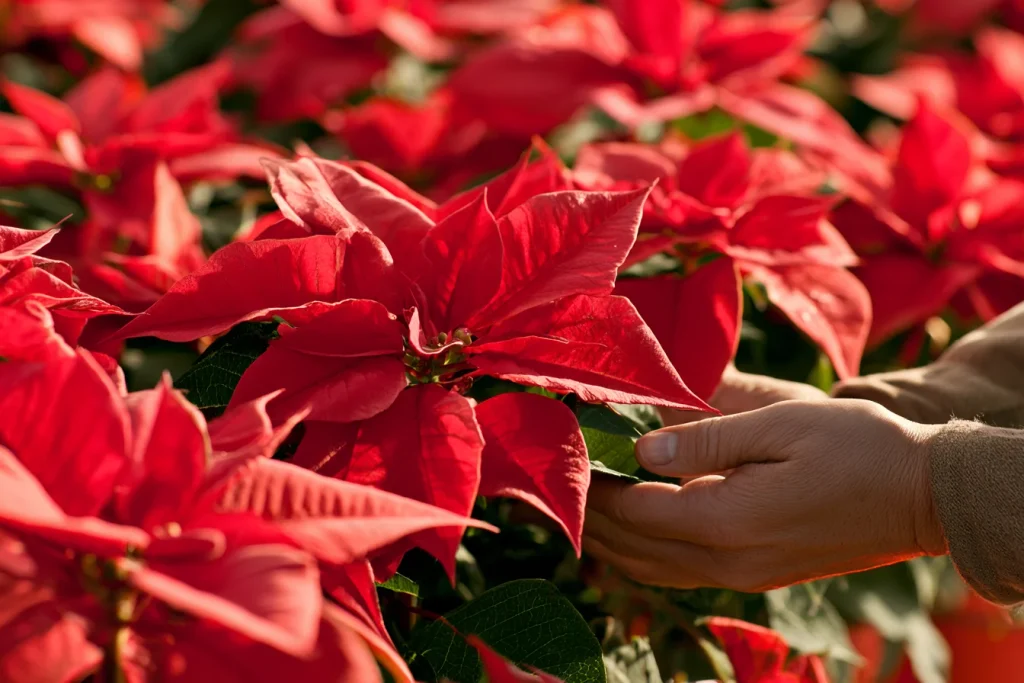
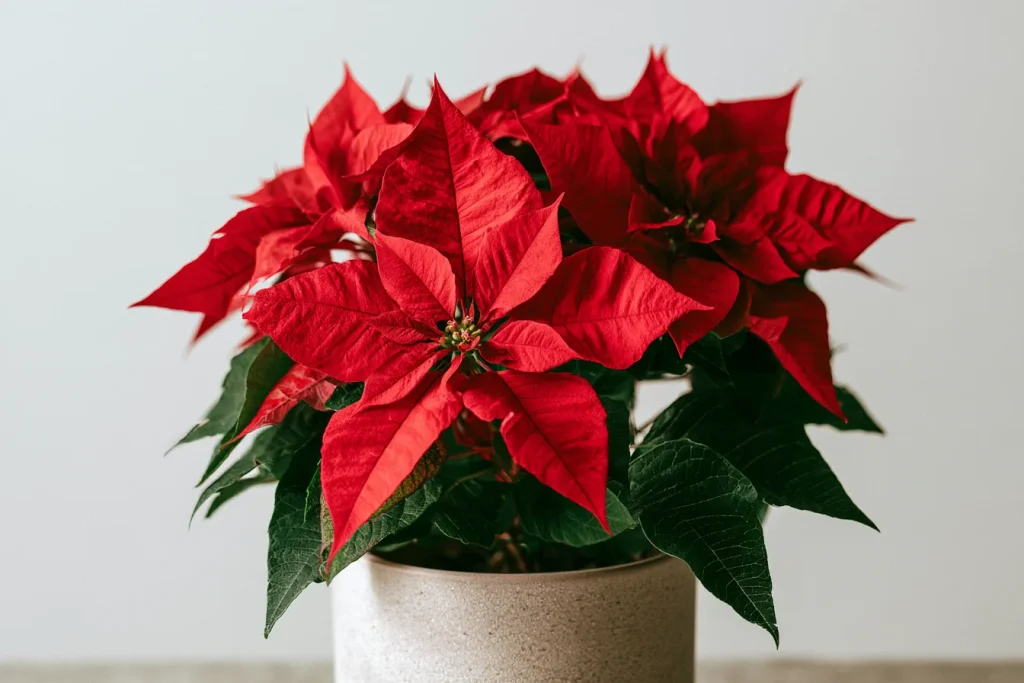
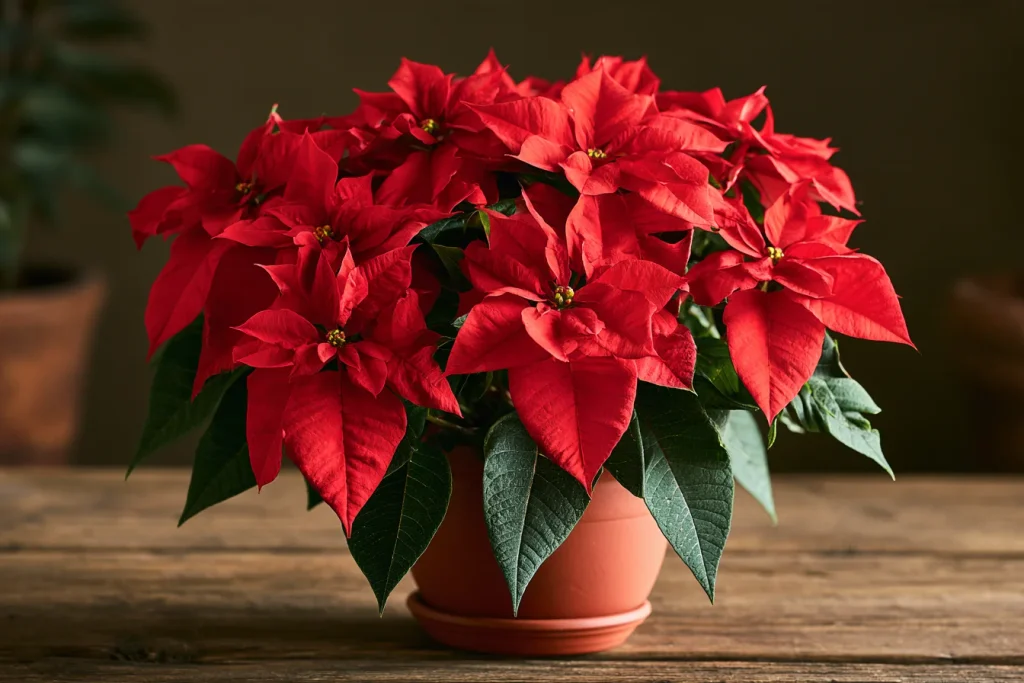
The colorful portions of the plant are modified leaves called bracts, not flowers. The small yellow blooms clustered at their center are the true flowers; their presence generally indicates a healthy, properly developed plant. Available in traditional red, white, pink, and marble-patterned varieties, they offer beautiful options for contemporary, coastal, and understated interiors.
How to Select a Healthy Poinsettia
When selecting a poinsettia for your South Florida home, look beyond the colorful bracts and evaluate the plant’s overall health. Use this checklist when shopping:
- Check the overall structure: Choose a specimen with firm, upright stems, balanced growth, and dense green foliage extending naturally around the pot. The colored bracts should be evenly developed and richly toned.
- Inspect the true flowers: Look closely at the small yellow clusters in the center of the bracts. Plants with mostly tight, unopened flowers will offer a longer-lasting display. If many flowers have already fallen, the plant is past its peak.
- Examine for pests and disease: Check both sides of the leaves and stems for visible insects, webbing, sticky residue, dark spots, or fuzzy growth. Avoid specimens with yellowing leaves, extensive leaf drop, or wilted growth.
- Consider the store’s growing conditions: Select a plant that has been protected from outdoor wind, rain, prolonged cold, and strong air-conditioning drafts.
- Transport with care: Ask the seller to wrap the plant loosely in breathable paper. Take it directly home and never leave it in a hot vehicle, where trapped heat can quickly damage the foliage.
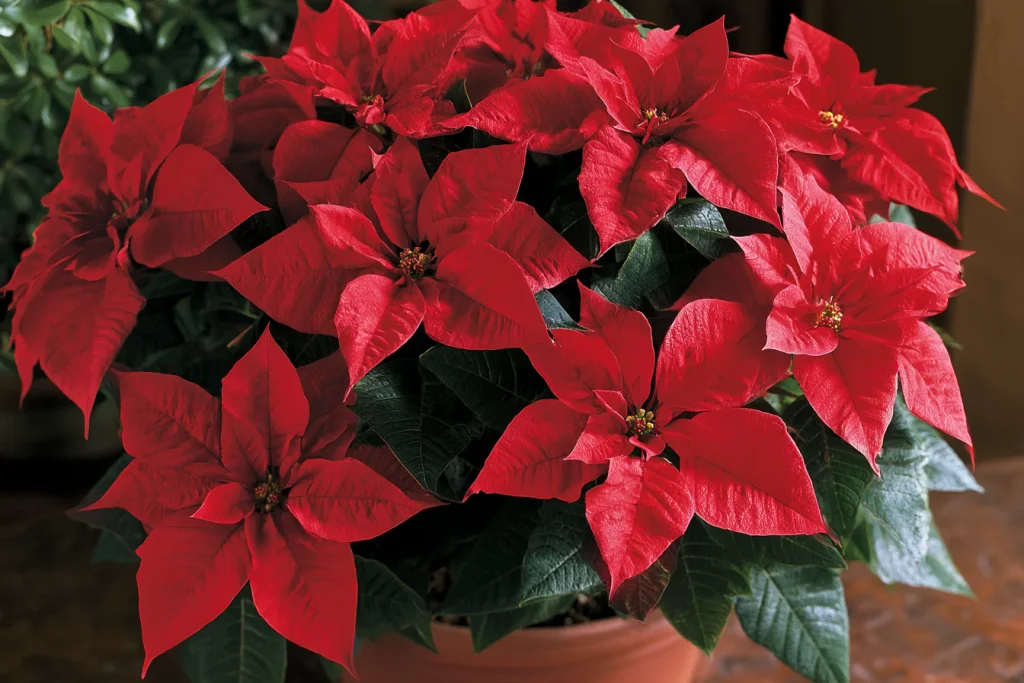
Ideal Placement and Daily Care
South Florida’s warmth and humidity can help poinsettias remain attractive, but thoughtful placement and consistent care are essential.
Light and Temperature
Set the plant near bright, indirect light, such as an east-facing window or a well-lit covered patio. Protect it from intense afternoon sun, which may scorch the leaves and fade the bracts. Indoors, keep the plant away from air-conditioning vents, ceiling fans, exterior doors, and cold drafts.
Watering and Humidity
Watering should be guided by the potting mix rather than a fixed schedule.
- Check the top layer of soil with your finger and water thoroughly only when it feels slightly dry.
- Allow excess water to drain completely. Overwatering is more common than underwatering and can lead to root rot and premature leaf drop.
- Remove decorative foil wrappers or cachepots before watering to prevent standing water.
- Moderate household humidity is sufficient. Avoid frequent misting, as persistently damp leaves can encourage disease.
Feeding and Pest Control
Fertilizer is usually unnecessary while the plant is displaying its peak holiday color. If you retain the plant after the season, begin a balanced, diluted fertilizer once new growth appears. Regularly inspect leaves for whiteflies, aphids, and mealybugs. Isolate affected plants promptly and treat persistent infestations with an appropriate horticultural product.
Post-Holiday Care and Reblooming
When a poinsettia’s bracts begin to fade, the change does not automatically mean the plant is dead. Bracts naturally lose their strongest color after the holidays, and some lower leaves may yellow and drop.
Transitioning to a Houseplant or Outdoor Grower
For continued growth, remove faded leaves and spent bracts. Place the plant in bright light without harsh afternoon exposure. Once the display has declined, prune leggy stems to encourage branching. Repot only when roots have filled the container, using a fast-draining mix.
South Florida gardeners may eventually move poinsettias outdoors in a warm, protected location. Morning sun or filtered light is preferable. Keep the plant away from flood-prone areas, salt spray, and locations vulnerable to cool snaps. With time, an outdoor poinsettia may become taller and less compact, but thoughtful pruning will help maintain a useful shape.
The Reblooming Process
Producing vivid holiday color again requires more than ordinary care. Beginning in late September or early October, the plant needs a consistent period of uninterrupted darkness each night (about 14 hours), paired with bright daytime light. Even small interruptions from streetlights or indoor lamps can affect color development, making reblooming a challenging but rewarding project for dedicated gardeners.
A Note on Safety and Handling
Poinsettias are not considered highly poisonous, but their milky sap may irritate sensitive skin and upset the stomach if ingested. Children and pets should not chew the plant, and sensitive individuals should wear gloves while pruning.
With suitable placement, controlled watering, and protection from weather extremes, poinsettias can remain a reliable, colorful staple in South Florida holiday homes year after year.